ServicesBattery Storage
Battery Storage in Herriman
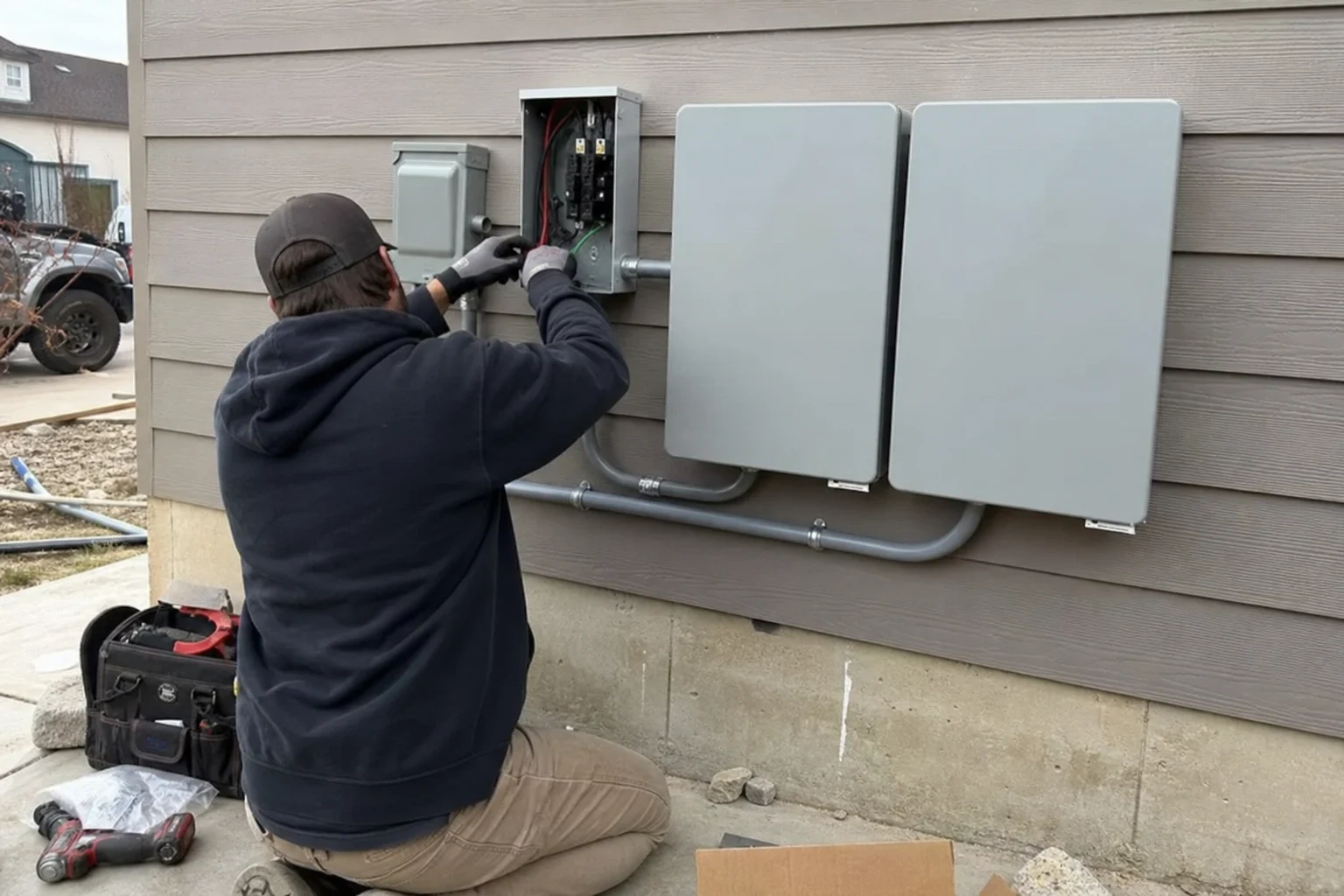
We install home batteries that hold the solar power your panels make at midday, so you can use it after sunset and keep your fridge, furnace fan and lights running during an outage. Each system is sized from your actual usage, not a stock package.
What a Home Battery Actually Does
A solar array makes most of its power between late morning and mid-afternoon, while most homes use the most power in the evening. Without storage, that midday surplus goes back to the grid. Rocky Mountain Power credits exported energy at a lower rate than the retail power you buy back at night, so keeping your own solar for your own use usually stretches each kilowatt-hour further.
A battery also changes what happens in an outage. A standard grid-tied inverter shuts off when the grid drops, by design, so line crews are not hurt by backfeed. With a battery and a backup gateway, your home disconnects from the grid automatically and keeps the circuits you chose running on stored and fresh solar power.
We pair batteries with new systems through our solar panel installation service, and we add them to many existing arrays too. Either way, we explain what the battery will and will not do before you commit, the same way we would for a neighbor down the street.
What We Handle on Every Battery Job
- Usage and backup priorities
- We read through your past utility bills with you and list the appliances you want running when the grid is down. Loads like a well pump or electric range can push the battery size up sharply, so we size for their startup surge as well as their steady draw.
- Choosing AC or DC coupling
- We decide whether your home is better off with an AC-coupled battery carrying its own inverter or a DC-coupled battery running through a hybrid inverter. That choice comes down to the inverter you have now and how much of your solar should go to charging.
- Gateway and backed-up circuits
- An automatic transfer device separates your home from the grid the moment an outage starts. Based on your service size and battery capacity, we back up the whole panel or shift selected circuits into a dedicated critical loads panel.
- Where the battery goes
- The unit usually mounts on a garage wall or a sheltered exterior wall, kept the required clearance from doors, windows and gas meters. We pick a spot that holds the battery within its rated temperature range through cold winter nights and hot summer afternoons.
- Permits and utility sign-off
- We pull the electrical permit, meet the inspector on site and submit the updated interconnection paperwork to the utility. Your battery is not switched on until all of those approvals are in hand.
- Settings and app walkthrough
- We program the operating mode and the backup reserve level, then show you the monitoring app so you can follow charging, discharging and solar production in real time.
Signs a Battery Makes Sense for Your Home
Large exports, small credits
Your bill shows plenty of solar sent to the grid but the credits barely dent your evening usage. Storing that power is often worth more than exporting it.
Outages that stop your solar
Your panels sit idle every time the power goes out. A battery with a gateway lets them keep working for you.
Medical or work-from-home needs
Someone in your home relies on powered medical equipment, or your income depends on a running internet connection and computer.
A fuel generator you would rather retire
Storing fuel, running cords and starting a generator in a winter storm gets old. A battery switches over without anyone going outside.
Planning a new solar system
Adding storage at the start means one permit, one inspection and an inverter chosen to work with the battery from day one.
Why Battery Quotes Differ from Home to Home
The price of a battery job mostly follows the amount of stored energy you want and how ready your electrical panel is to accept it. We price your system from your past utility bills and an in-person look at your panel, and each part and labor charge is listed separately so nothing is hidden. Financing with $0 up front is available.
Storage capacity in kWh
A battery's size is measured in kilowatt-hours, the energy it can hold. Running a fridge, lights and the furnace blower through one night takes a small bank, but powering central air or a well pump for a whole day takes several units.
Full panel or essential circuits
Covering every circuit in the house generally takes more battery units and can require a gateway with a higher rating. Putting just your must-have circuits on a separate critical loads panel limits what can pull from the battery during an outage, which keeps the number of units down.
State of your main panel
If your panel is aging or has no open breaker slots, it may need circuits moved, a derated main breaker or a complete panel upgrade before the battery can connect.
Your current inverter
Some older string inverters work best alongside an AC-coupled battery that has its own built-in inverter, which changes the parts list from a hybrid inverter design.
Wire run length
A battery mounted a long way from the main panel needs more conduit and heavier conductors to hold voltage drop within code limits.
How a Battery Installation Runs
- 1
Free savings analysis by phone
We review your bills, your current system if you have one, and your backup priorities. You get a written estimate with each line item shown.
- 2
Site visit and design
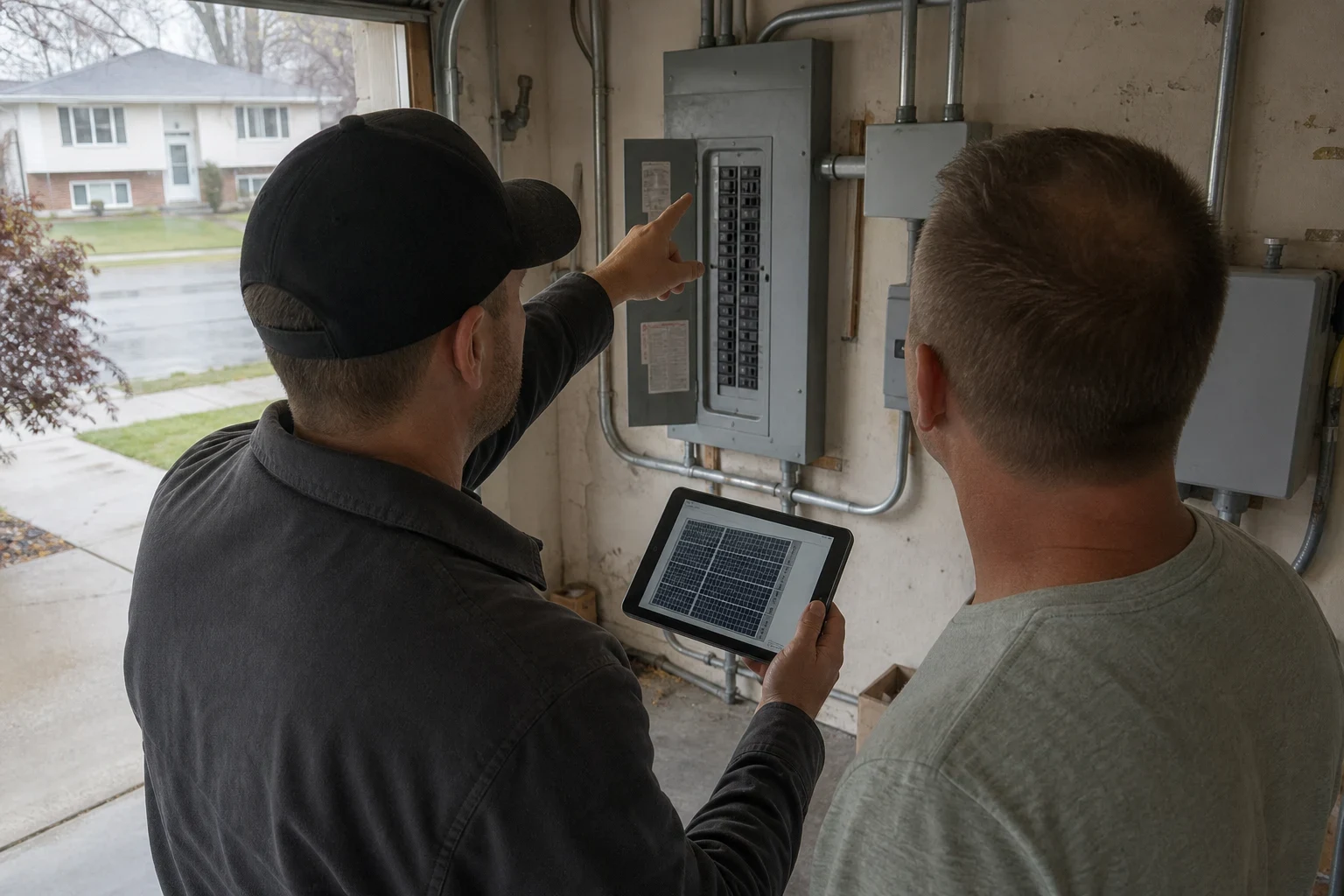
We inspect your main electrical panel, check the bus rating and available breaker space, and measure the wall where the battery will go. If the panel needs work to accept the battery, you hear that now, not on install day.
- 3
Install day
Most battery installs take about a day. Power is shut off for part of it while we land conductors in the panel, and we tell you the window ahead of time so the fridge and any medical equipment are planned for. We clean up drill dust, wire offcuts and packaging before we leave.
- 4
Inspection and switch-on
After the city inspection and utility sign-off, we commission the battery, run a simulated outage so you see the transfer happen, and walk you through the settings. Our installation work carries a lifetime warranty, so if a connection we made ever gives you trouble, we come back.
Battery Storage Questions
Can you add a battery to the solar system I already have?
Usually, yes. We start by checking your inverter model, your panel's capacity and your production data. If the inverter cannot accept a DC-coupled battery, an AC-coupled unit with its own inverter is typically the answer.
If the power goes out, how many hours of backup will I get?
That comes down to three things: the size of the battery bank, the circuits you choose to keep on and how sunny the next day is. A typical essentials list of fridge, furnace blower, lights and internet can often last overnight and then refill from your panels in the morning. Big loads like central air or an electric range pull the charge down quickly, and we walk through those figures with you during your analysis.
Does cold weather hurt the battery?
Lithium cells have a rated temperature range, and charging slows or pauses when they get too cold. Many batteries include internal heaters, and we mount the unit where it stays within spec, often a garage wall or a sheltered outside wall. That placement matters most on below-freezing winter nights.
Will the battery switch over by itself?
Yes. The gateway detects the grid going down and separates your home in a fraction of a second, so most electronics never notice. When utility power comes back, it reconnects on its own.
Who installs and stands behind the work?
Our own crew handles the install, and we hold licenses in all states served. Each mount, connection and conduit run we put in is backed by our lifetime warranty on installation work.
Find Out What a Battery Would Do for Your Home
We will look at your usage, your panel and the circuits you care about, then tell you plainly whether storage pays off for you. Homeowners in Herriman, Riverton, South Jordan and nearby towns can set this up with one phone call.