ServicesSolar System Add-Ons
Solar System Add-Ons in Herriman
Your power use changes after the panels go up. A new EV, a hot tub or a finished basement can outgrow the original design. We add panels, EV chargers, smart panels and monitoring that fit the equipment you already own, and we show you the math before any work starts.
When an Add-On Makes More Sense Than a New System
Most solar systems are sized to the last twelve months of utility bills at the time of the sale. Add an electric vehicle and you can put several thousand kilowatt-hours a year on top of that. The panels keep producing what they were designed for, and the gap shows up on your Rocky Mountain Power bill.
An add-on closes that gap without replacing hardware that still works. The catch is compatibility. A string inverter has a fixed input voltage window and a maximum power rating, so new modules have to match what is already on the string. Microinverter systems are easier to extend, but the branch circuits and the breaker that backfeeds your main panel still have limits. We check those numbers on your actual equipment, not a spec sheet, and tell you plainly if an add-on will not pay off.
Add-Ons We Install
- Additional panels
- We extend your array with modules matched to your existing inverter type, voltage and current. On microinverter systems that usually means a new branch circuit. On string systems it may mean a second inverter rather than overloading the first one.
- Level 2 EV chargers
- A 240-volt charger on a dedicated circuit, hardwired or on a NEMA 14-50 outlet, placed where your cable reaches the car. We size the breaker and wire gauge to the charger's continuous load so the circuit is not running hot through a long winter charge.
- Smart panels and load management
- A smart panel or load controller lets you see and limit individual circuits. It can keep an EV charger and a dryer from tripping the main breaker, and it often avoids a full service upgrade.
- Production and consumption monitoring
- Many older systems only report what the panels make. We add current transformers on your service conductors so the app also shows what your home uses, which tells you whether an expansion is worth it.
- Main panel upgrades for added capacity
- Code generally limits backfed solar breakers to a share of the busbar rating. When a bigger array pushes past that, we upgrade the main service panel or use a supply-side connection so the expansion stays compliant.
Signs Your System Needs an Add-On
Your bills crept back up
If your net bill has grown since the first year, check usage before blaming the panels. Rising consumption with steady production points to an undersized system, not a failing one.
You bought or ordered an EV
Daily commuting can add a large, steady load. Planning the charger and any extra panels together is cheaper than doing them a year apart.
Breakers trip when big loads overlap
An EV charger, an electric range and central air running together can push a 100- or 125-amp service to its limit. A smart panel or service upgrade fixes the cause.
You cannot see what your home uses
Production-only monitoring leaves you guessing. If your app shows one line instead of two, a consumption meter is a small add-on that makes every other decision clearer.
Your inverter is clipping
If production flattens into a plateau at midday on clear summer days, the inverter is at its ceiling. More panels on that same inverter would gain little, so the fix is a second inverter or a different design.
What Changes the Cost of an Add-On
There is no flat price for an add-on because the existing system sets most of the rules. The analysis we give you by phone lists each part and labor item separately, so you can see what is driving the number. Many projects can be set up with $0 up front.
Inverter compatibility
Matching new panels to a microinverter system is usually straightforward. A string system near its limit may need a second inverter, which adds equipment and wiring.
Main panel capacity
If the busbar rating cannot take a larger backfed breaker, a panel upgrade or supply-side tap becomes part of the job. That is often the biggest single line item.
Distance and wire runs
An EV charger in a garage beside the main panel needs a short circuit. One on the far side of the house means longer conduit, heavier wire to control voltage drop and more labor.
Equipment choices
Charger brand, smart panel versus a simpler load controller, and panel wattage all move the price. We explain what each option does so you only pay for features you will use.
Permits and utility changes
Expanded systems need a permit and an updated interconnection agreement. The fees are modest, but they are part of the total and listed in your estimate.
How an Add-On Project Runs
- 1
Phone call and savings analysis
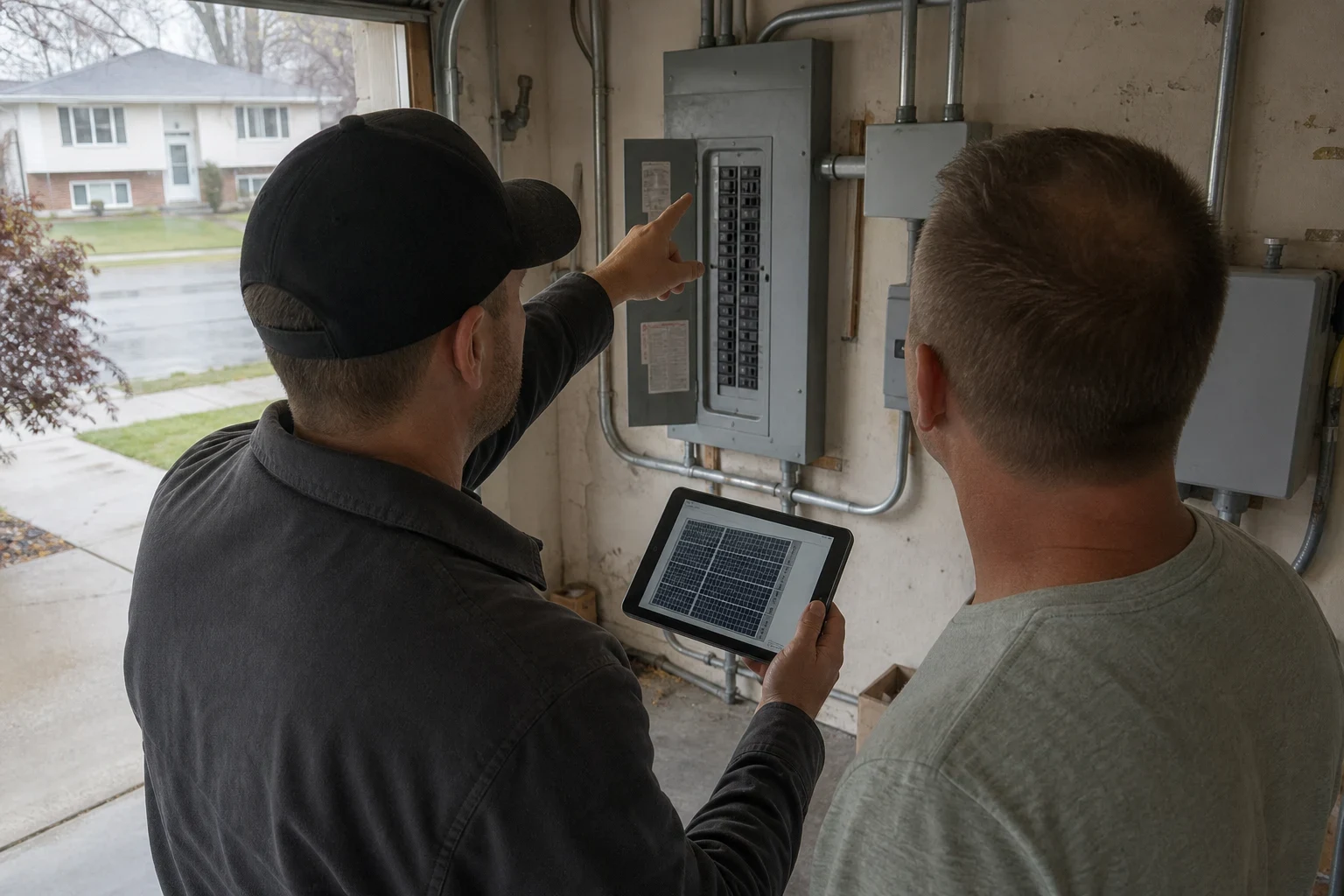
We start with your recent utility bills and the details of your current system: inverter model, panel count and any monitoring data you have. This first look can be a free virtual appointment, so you do not need to take time off work.
- 2
Site check and written design
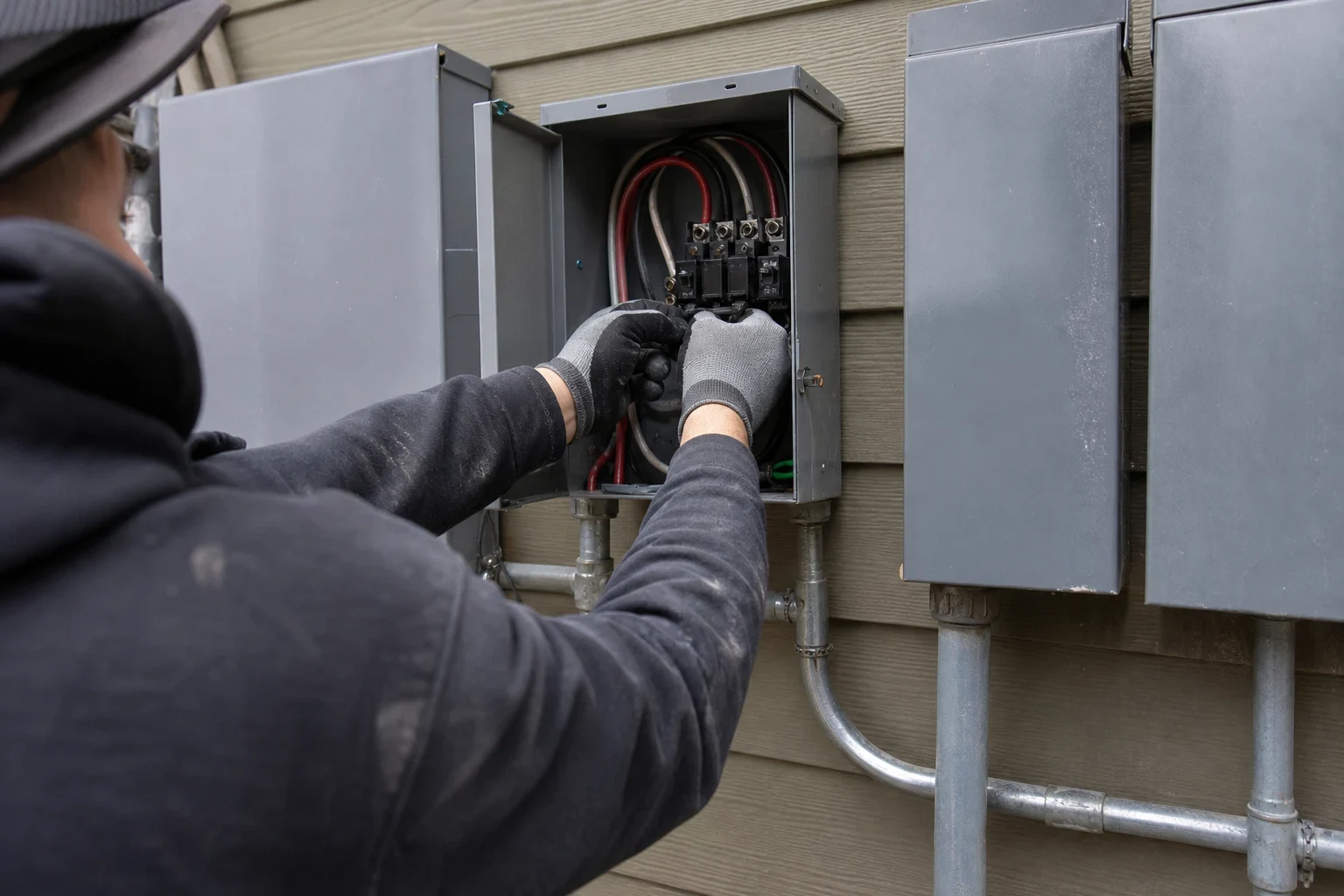
We inspect your service panel, busbar rating, inverter and conduit runs in person. You get a written design that lists every part, the expected added production and any electrical upgrades it depends on.
- 3
Permit and utility paperwork
We pull the building permit and submit the interconnection change to Rocky Mountain Power, because a bigger system needs fresh approval before it can export more power. You sign, and we handle the forms.
- 4
Install day
Most add-ons take a day or less. We shut the system down safely, make the connections, label every new disconnect and breaker, and clean up before we leave, the way we would at a neighbor's place.
- 5
Sign-off and restart
Once the building inspector signs off and the revised interconnection approval comes back from Rocky Mountain Power, we power everything back up. Then we open the monitoring app with you and point out where the added production shows, so you can track it yourself.
Add-On Questions We Hear Often
Can you add panels to a system another company installed?
Often, yes. We need the inverter make and model, the panel specs and the original permit set if you have it. If the equipment is too old to match or the expansion would void the existing manufacturer coverage, we will tell you before you spend anything.
Will adding panels affect my net billing with the utility?
A larger system requires an updated interconnection application with Rocky Mountain Power. Depending on your original agreement, the expansion may be credited under current export rates, so we model your savings on the rules that will actually apply to the new production.
Do I need a battery to add an EV charger?
No. A Level 2 charger runs on grid power and your panels' production like any other load. Some homeowners pair it with battery storage to charge from stored solar in the evening, but that is a separate decision we can price on its own.
Is the add-on work covered?
Yes. We are licensed in all states served, and our installation work carries a lifetime warranty. That covers the wiring, mounting and connections we make for the add-on.
How long will my system be off during the work?
Usually just part of install day for the electrical tie-in. If the expansion needs utility approval before it exports, the new panels stay off until permission comes through, while your original system can usually go back on right away.
Find Out What Your System Can Take On
Tell us what you have and what has changed at home. We will check your inverter and panel limits and give you straight numbers on whether an add-on pays off.